





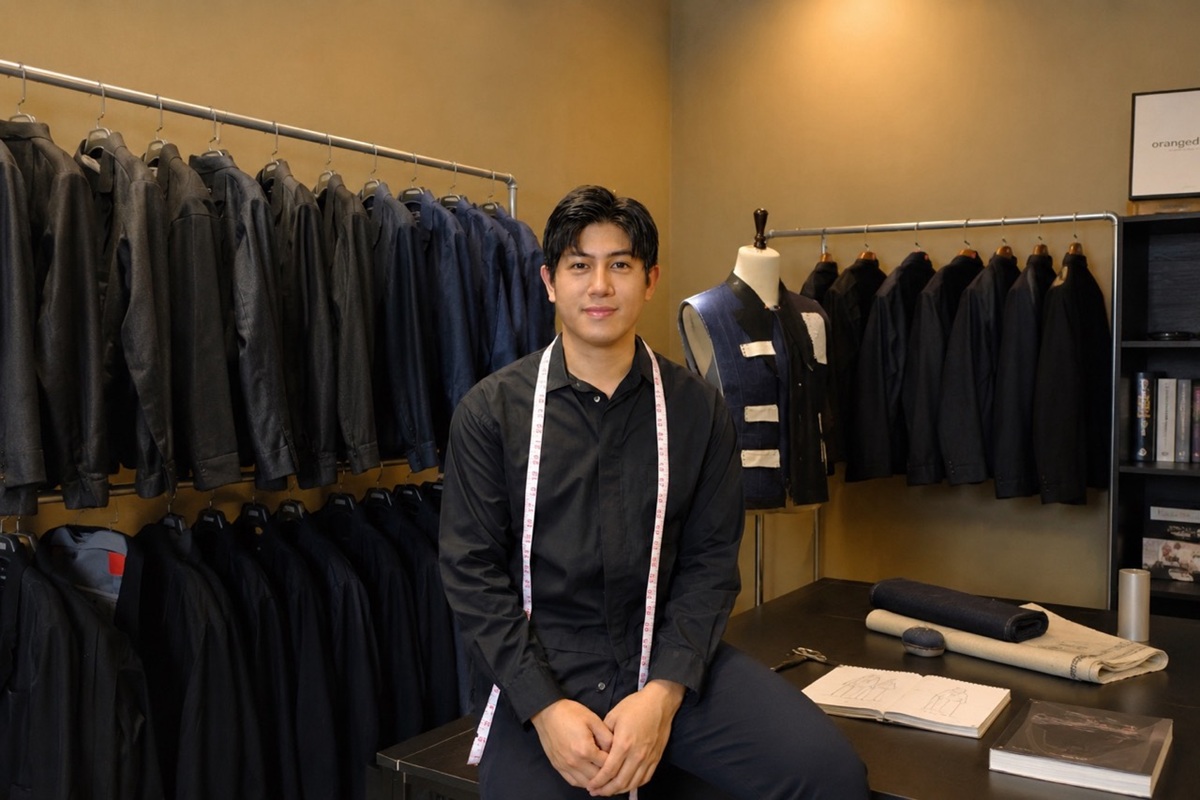
Technology is transforming the fashion industry, enabling Filipino designers to combine traditional craftsmanship with artificial intelligence (AI), digital design tools, and smarter production methods.
For Jaycee Amazona-Dioneza, Creative Director of Filipino premium fashion brand orangedot, technology is not replacing human creativity—it is becoming a powerful tool that helps designers create more meaningful, sustainable, and globally competitive collections.
At 26, Amazona-Dioneza represents a new generation of Filipino designers blending heritage craftsmanship with modern innovation. Growing up in Baler, Aurora, with a mother who worked as a seamstress, he developed an early appreciation for tailoring, garment construction, and the discipline behind handmade fashion.
His journey from redesigning ukay-ukay pieces to launching premium denim collections reflects how creativity, business knowledge, and technology can work together to build a modern Filipino fashion brand.
Digital tools helping designers create with purpose
According to Amazona-Dioneza, technology has made fashion design more accessible by allowing creators to research trends, collaborate with manufacturers, and refine concepts faster.
“Technology has made fashion more accessible and collaborative than ever before,” he said. “Instead of producing multiple physical samples, we can validate ideas digitally before moving into production.”
For independent Filipino designers competing with international brands, digital tools help bridge resource gaps by providing access to the same technologies used by larger fashion houses.
However, he believes technology alone does not define a designer’s success.
“What sets us apart is how we combine those tools with our own creativity, craftsmanship, and cultural perspective,” he explained.
3D design, digital prototyping reduce waste
Emerging technologies such as 3D design software, digital prototyping, and virtual sampling are changing how fashion collections move from concept to production.
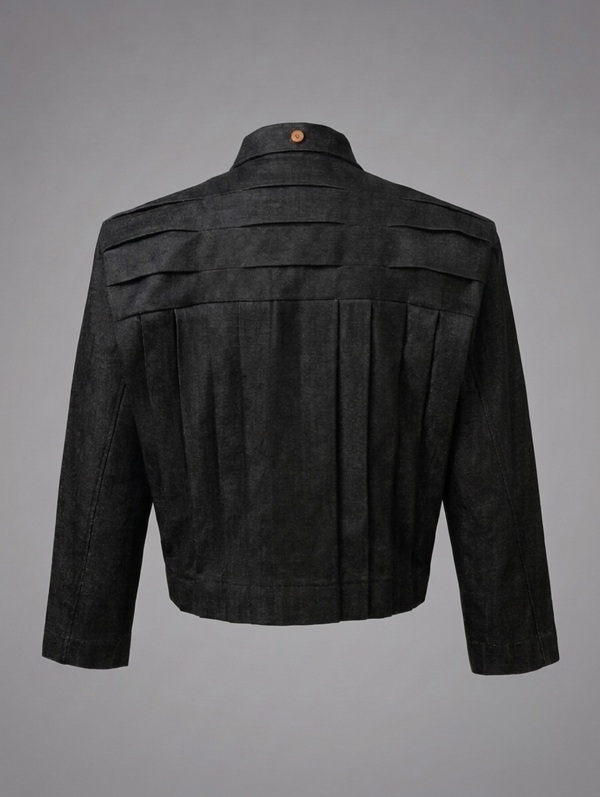
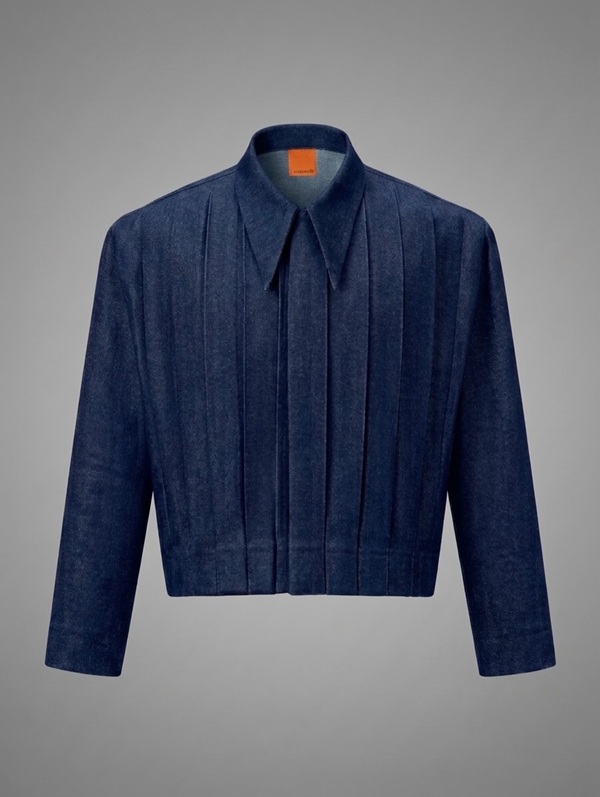
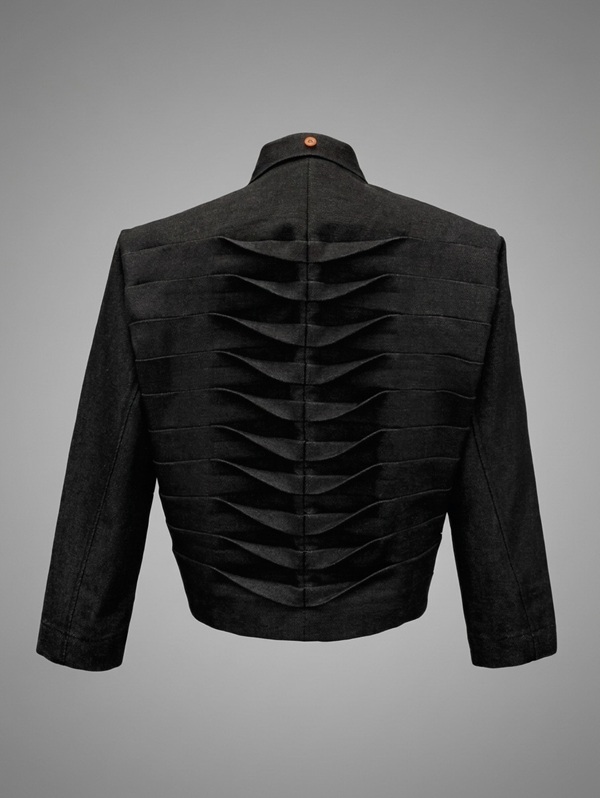
Amazona-Dioneza said these tools allow designers to test silhouettes, patterns, construction details, and fit digitally before creating physical samples.
Beyond improving efficiency, digital prototyping also supports sustainability by reducing unnecessary material consumption and minimizing production waste.
“For me, technology should accelerate the process, but craftsmanship should define the outcome,” he said.
AI as a creative assistant, not a replacement
Artificial intelligence is becoming increasingly influential across creative industries, and fashion is no exception.
Amazona-Dioneza sees AI as a supporting tool that can help designers analyze trends, organize research, explore concepts, and automate repetitive tasks.
“I see AI as a creative assistant rather than a creative director,” he said.
AI can also help fashion brands understand consumer preferences through data analysis, allowing designers to create more personalized experiences and make better production decisions.
However, he emphasized that creativity must remain human.
“AI can generate ideas, but it cannot replace lived experience, cultural understanding, or emotion,” Amazona-Dioneza said.
Technology supporting sustainable fashion
As the fashion industry faces challenges caused by overproduction and fast-fashion cycles, technology can help brands create more responsible business models.
According to Amazona-Dioneza, AI-powered forecasting, data analytics, and smarter production systems can help brands understand customer demand, optimize fabric usage, and reduce excess inventory.
“Sustainability isn’t just about choosing better fabrics. It’s also about creating only what people genuinely value,” he said.
Digital supply chains and on-demand manufacturing could also help fashion companies produce closer to actual demand, reducing waste while improving efficiency.
Digital platforms helping Filipino brands reach global markets
Social media, e-commerce platforms, and online communities have changed how Filipino designers build relationships with customers.
For orangedot, digital platforms provide an opportunity to share not only products but also the story, philosophy, and craftsmanship behind each collection.
“People today want to understand why something was created, who made it, and what it represents,” Amazona-Dioneza said.
He added that digital platforms have removed geographical barriers, allowing Filipino brands to reach international audiences without requiring physical stores abroad.
Protecting Filipino craftsmanship through technology
As Filipino-made products gain global attention, technologies such as blockchain and digital authentication could help protect local designers and consumers from counterfeit products.
Amazona-Dioneza believes digital authentication can provide transparency by allowing buyers to verify a product’s origin, production process, and creator.
Technology can also preserve traditional Filipino craftsmanship through digital archives, online education platforms, and storytelling initiatives.
The future of fashion: human creativity powered by technology
Looking ahead, Amazona-Dioneza believes AI-assisted design, 3D visualization, digital prototyping, and smarter manufacturing systems will have a major impact on fashion over the next five years.
For him, innovation and cultural identity should work together.
“Technology should help us express Filipino creativity more effectively, not replace it,” he said.
His advice to young Filipino designers is to embrace new technologies while protecting their unique perspectives.
“Your greatest advantage isn’t the software you use—it’s your perspective as a Filipino designer,” he said.
As fashion enters a more digital era, designers like Jaycee Amazona-Dioneza are proving that technology can strengthen craftsmanship, sustainability, and Filipino creativity—helping local brands compete on the global stage while staying rooted in authentic stories.