





Filipino consumers may receive different credit scores from various providers, but a higher score does not necessarily mean it is more accurate. According to CIBI Information, Inc., differences can result from variations in scoring models and the credit information available to each provider.
Credit scores are numerical assessments of a person’s creditworthiness, with providers using different methodologies to evaluate financial information. Differences may also occur when one provider has received updated repayment records while another has yet to incorporate the latest data.
“Credit scores are useful indicators, but their value lies in understanding what they tell us,” said Pia Arellano, president and CEO of CIBI Information, Inc. She emphasized that understanding the factors influencing credit scores can help consumers identify areas for improvement and develop healthier financial habits.
Credit assessments may also consider financial obligations beyond traditional loans and credit cards. Depending on reporting institutions and available data, digital lending, installment financing and buy-now-pay-later (BNPL) transactions may also be reflected in credit records or considered in credit assessments.
In the Philippines, the Credit Information Corporation (CIC) operates the country’s centralized credit information system, while accredited credit bureaus such as CIBI help make credit information available to lenders. These records support financial institutions in evaluating borrowers’ creditworthiness.
To promote financial literacy, CIBI also provides educational resources through CIBI University, covering credit scores, responsible borrowing, financial planning, identity protection and fraud awareness. Its initiatives include digital content, webinars, workshops and expert discussions.
Arellano said the platform aims to make financial education more accessible and help Filipinos make informed decisions in an increasingly digital financial environment.
CIBI encourages consumers to look beyond their credit scores by understanding how credit information is collected, how financial habits influence creditworthiness, and why maintaining accurate credit records is important when accessing financial products.

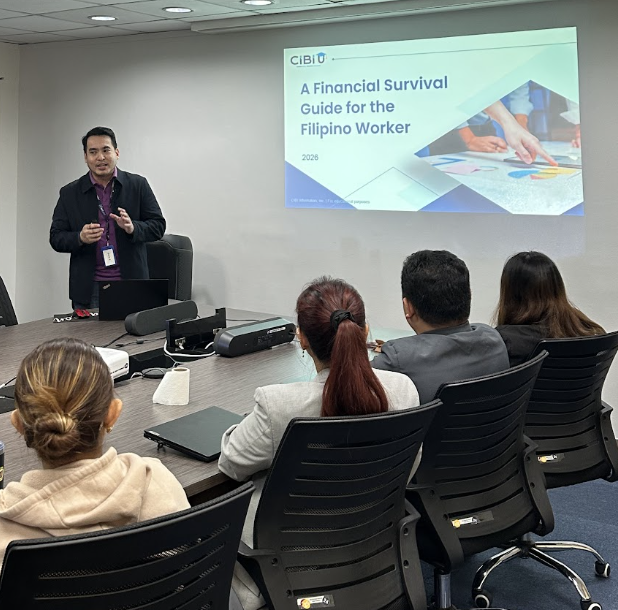
CIBI Information, Inc. conducts pilot financial literacy workshops under CIBI University to strengthen employees’ understanding of credit scores, responsible borrowing, financial planning, and digital financial security.