






Indigenous communities in the Philippines and Indonesia are demonstrating how traditional knowledge and food processing can support sustainable livelihoods while protecting ecosystems.
In Caraga, the Manobo community has established the Philippines’ first sago palm flour enterprise, creating economic opportunities by adding value to a traditional crop. The development comes as demand for plant-based and sustainable ingredients grows globally, while Asia Pacific accounted for more than half of global sago revenue in 2023.
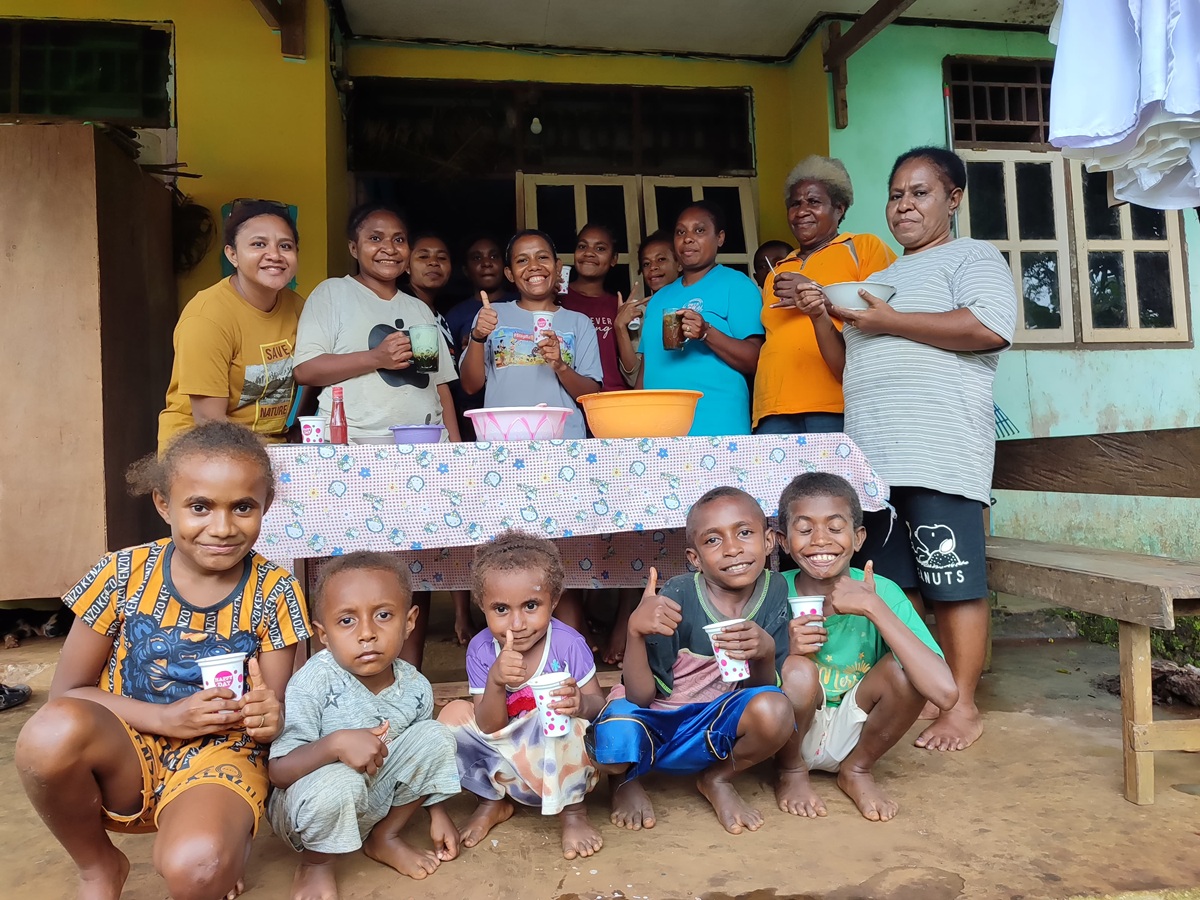
A similar community-led effort is taking place in South Sorong, Papua, Indonesia, where young people and women are transforming locally grown sago into commercial food products through the Merdesa Village School (SEKAM), a program of the Bentara Papua Association.
The initiative combines traditional agricultural knowledge, food processing, entrepreneurship, and environmental restoration. Under the Tehit Knasaimos philosophy that “the forest is our Mother,” communities have protected sago forests while developing new ways to generate income from the crop without clearing the land.
The Sira Bentara Papua Station serves as a hub for training, product development, and organizational learning. Through the station, the community has expanded beyond traditional sago flour into noodles, cookies, cakes, cendol, meatballs, and functional snacks under the Tepung Sagu Mangsir brand.
Technology and product-development know-how are playing an important role in helping communities turn a traditional crop into market-ready products. Training also covers product permits, marketing, and business development, enabling producers to reach markets beyond their villages.
The initiative has generated measurable economic and environmental benefits. Farmers and women’s groups reportedly earn an average of IDR 1 million more from sago product sales compared with 2018–2019. Women’s and youth participation has also increased by 60%, while approximately five hectares of sago forest have been replanted.
The restoration has helped revive at least 11 companion tree species and protect four superior local sago varieties: Falya dla, Fa Sampe, Fablen, and Fanomik.
The community-led model highlights how food innovation can go beyond developing new products. By combining Indigenous knowledge with modern processing, entrepreneurship, and market development, sago is becoming a tool for strengthening local economies while supporting forest conservation and cultural preservation.