



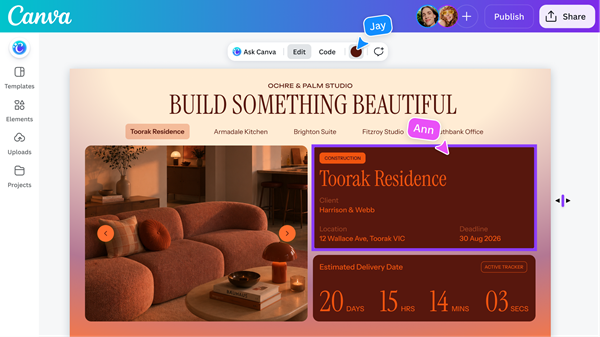
Canva has launched Canva Code 2.0 in the Philippines, expanding its AI-powered creative tools to help users build websites, apps, games, and interactive experiences using simple text prompts instead of traditional coding.
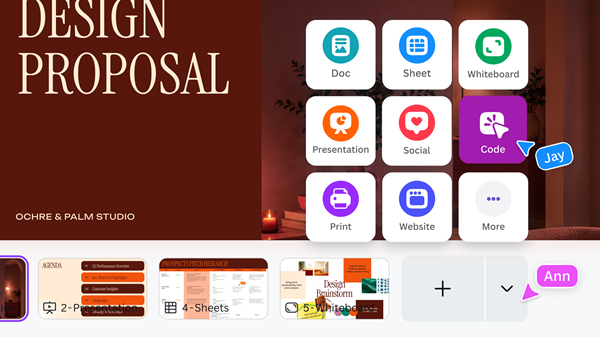
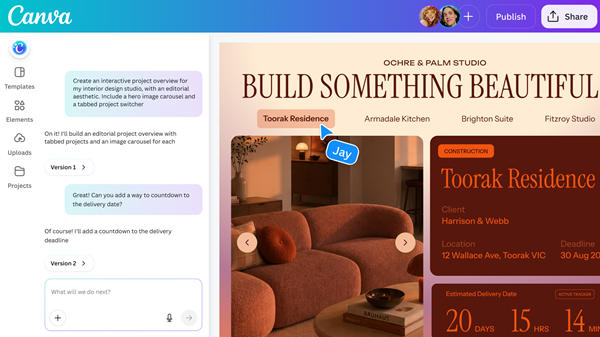
The latest version brings “vibe coding” capabilities to more creators by allowing users to turn ideas into functional digital experiences directly within Canva’s platform. Users can start from a prompt, choose from more than 50 templates, or import existing HTML from other AI tools and continue editing inside Canva.
Canva said Canva Code 2.0 improves speed and usability, reducing average code generation time by 75% to around 45 seconds, while cutting the median time to publish a website by 30%. The tool has also seen growing adoption, with active users increasing by 25% following recent updates.
Unlike traditional AI coding tools that mainly generate functional prototypes, Canva Code integrates coding with Canva’s visual editing environment. Users can customize generated experiences by adjusting layouts, fonts, colors, images, and other design elements through the same drag-and-drop interface used for Canva projects.
The AI coding tool is designed to support responsive designs across devices and enables teams to collaborate, publish websites, use custom domains, integrate Single Sign-On (SSO), and connect with tools such as Canva Sheets for data management.
Canva said the technology is already being used by educators, entrepreneurs, and small businesses. In the Philippines, teachers are using Canva Code to create interactive learning materials and classroom resources, while businesses are leveraging the tool to build customer engagement platforms and marketing experiences without writing code.
With Canva Code 2.0 now available for Free, Pro, Business, Enterprise, and Education accounts, Canva aims to make AI-powered development more accessible and help more Filipinos participate in the growing creator economy.