







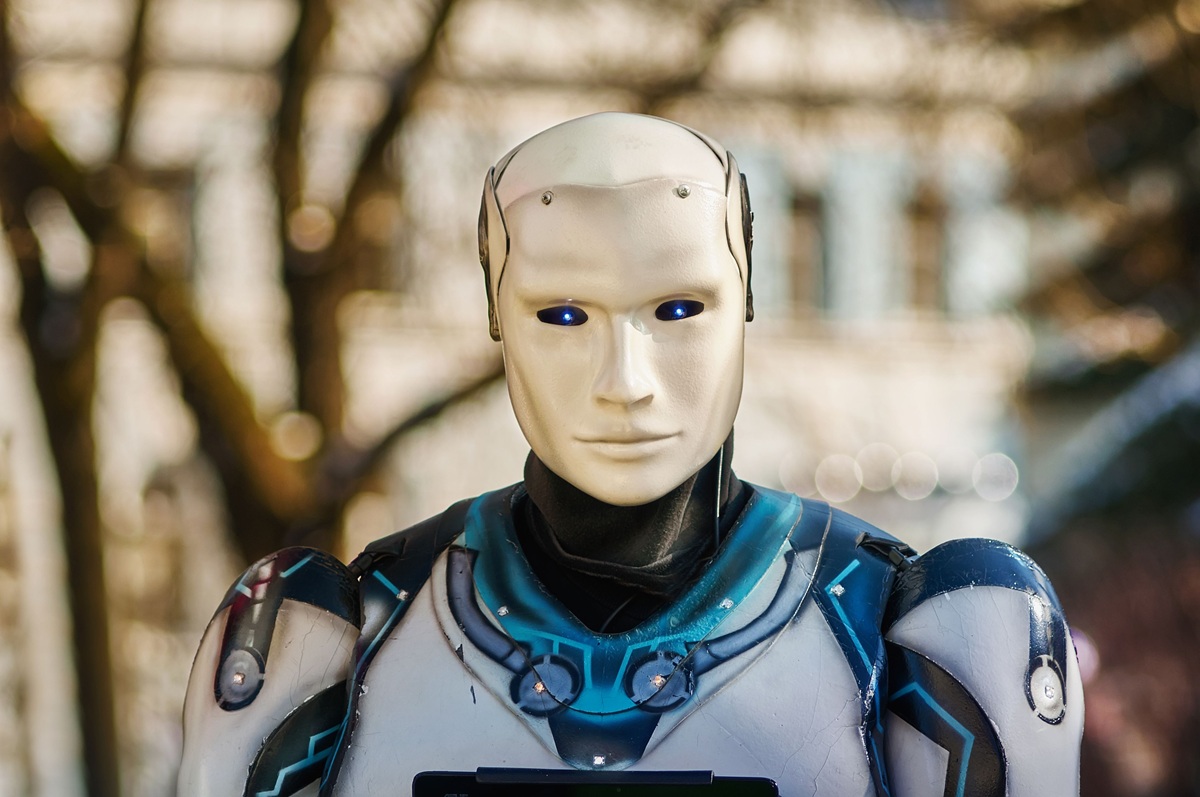
LG and NVIDIA are expanding their collaboration across humanoid robotics, AI factories and autonomous vehicles, with LG developing a next-generation bipedal humanoid robot using NVIDIA’s physical AI technologies for a planned public unveiling in the first quarter of 2027.
The companies signed a memorandum of understanding on August 13 at NVIDIA’s headquarters in Santa Clara, California. The agreement moves their collaboration from strategic planning toward development and real-world validation of AI-powered machines and infrastructure.
For robotics, LG’s new humanoid will use NVIDIA Jetson Thor for onboard computing, reasoning and control, alongside NVIDIA Isaac GR00T, an open humanoid foundation model, and NVIDIA Halos for Robotics, a full-stack safety system. LG plans to combine technologies from LG Electronics, LG Innotek and LG Energy Solution, including actuators, sensors and batteries.
LG will also deploy its CLOiD wheel-based robot at its washing machine manufacturing line in Tennessee within 2026 to test its capabilities in a real production environment. Data gathered from the deployment will support improvements to the robots and contribute to LG’s own Robot Foundation Model under development.
The collaboration also includes a robot data factory based on LG CNS PhysicalWorks, designed to support physical AI through continuous data collection, synthetic data generation, model training and verification.
Beyond robotics, LG plans to establish an AI factory reference site powered by NVIDIA Vera Rubin in the first half of 2027. The company aims to use the results to build an 80-megawatt AI Factory in Cheonan, South Korea, by the first half of 2028, supporting physical AI and robot foundation model development.
In mobility, LG plans to develop a high-performance computing platform for AI-defined vehicles using NVIDIA DRIVE Hyperion. The platform will combine NVIDIA’s autonomous-driving technologies with LG’s in-vehicle infotainment and automotive software capabilities, targeting next-generation solutions for global automakers.
The three-pronged partnership underscores the growing convergence of AI models, robotics, industrial infrastructure and autonomous mobility, as manufacturers move AI beyond software applications and into machines capable of sensing, reasoning and acting in the physical world.