






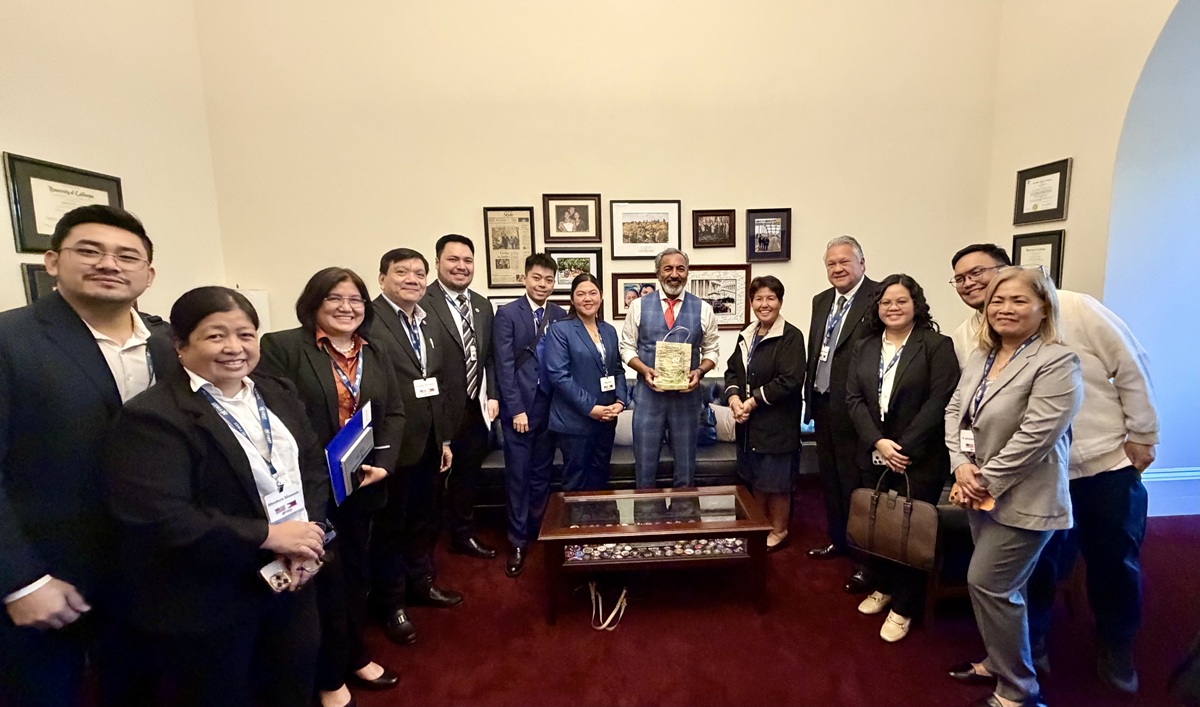
Pictured during the Philippine-US nuclear energy engagement are Rep. Leody F. Tarriela, Vice-Chairperson of the House Special Committee on Nuclear Energy and Representative of Occidental Mindoro’s Lone District; Rep. Munir N. Arbison Jr. of KAPUSO PM Party List; Rep. Joseph Kim C. Yu of Zamboanga del Sur’s 1st District; Masbate City Mayor and former Representative Olga “Ara” Kho; California 6th District Representative Congressman Ami Bera; Rep. Elisa “Olga” Kho of Masbate’s 2nd District; and Rep. Mark O. Cojuangco, Chairperson of the House Special Committee on Nuclear Energy and Representative of Pangasinan’s 2nd District.
The Philippines’ push to include nuclear power in its energy mix gained momentum as Pangasinan 2nd District Representative Congressman Mark O. Cojuangco participated in the Foundational Infrastructure for Responsible Use of Small Modular Reactor Technology (FIRST) Delegation in the United States.
The engagement brought together Philippine and US government officials, industry leaders, and research institutions to discuss civil nuclear energy cooperation, with a focus on financing, regulatory frameworks, safety standards, and the deployment of advanced nuclear technologies such as Small Modular Reactors (SMRs).
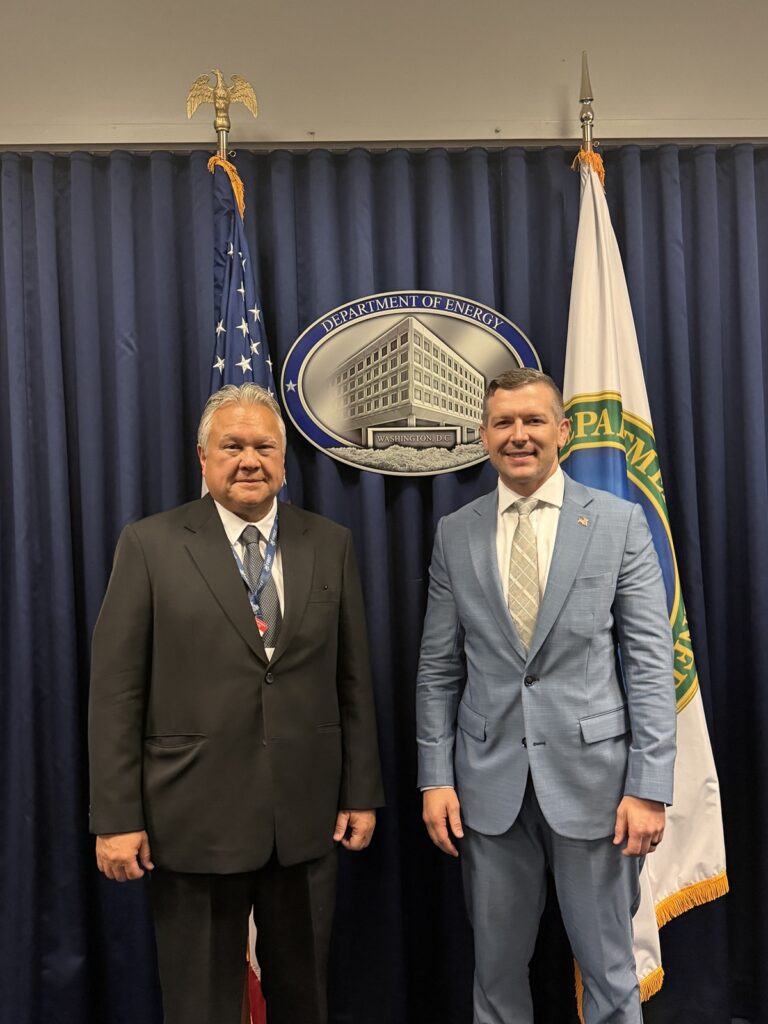
Cojuangco, a long-time advocate of nuclear energy and author of the Philippine Atomic Energy Regulatory Authority (PhilAtom) Bill, joined fellow lawmakers in visiting key US nuclear facilities and research centers, including the Tennessee Valley Authority’s SMR deployment site, Kairos Power, Oak Ridge National Laboratory, the East Tennessee Economic Council, and the University of Tennessee.
The delegation also met with California Congressman Ami Bera to explore legislative cooperation and discuss the role of nuclear technology in energy security and economic development. Discussions with officials from the United States Department of Energy centered on energy affordability, reliability, and opportunities for government collaboration.
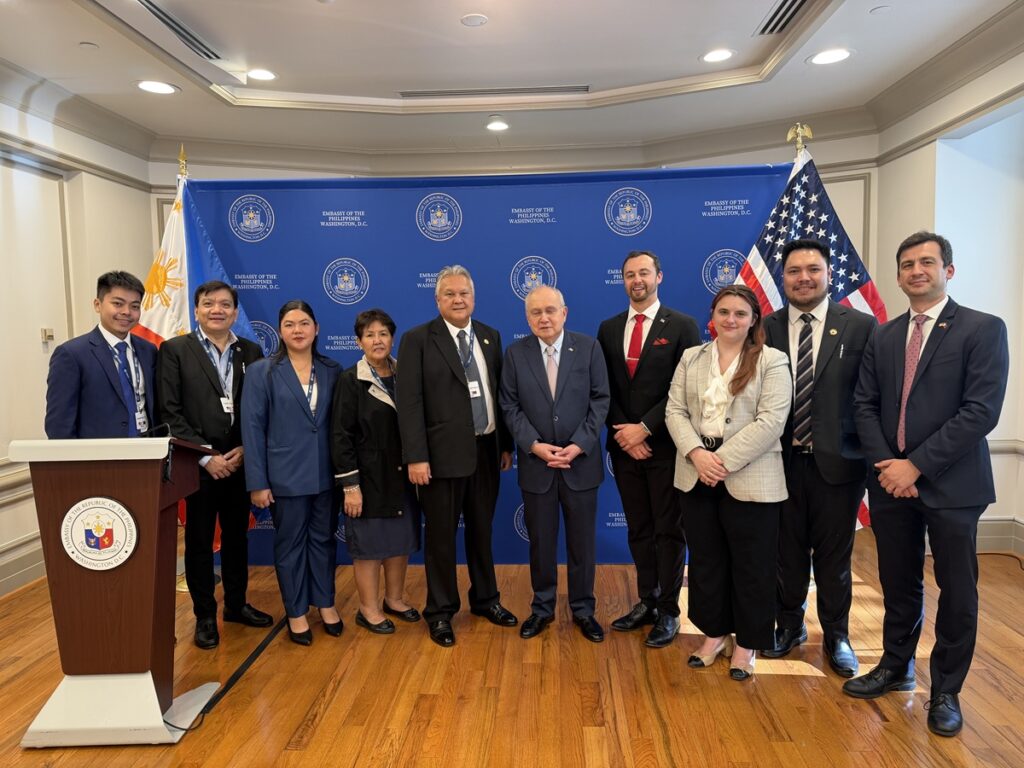
According to Cojuangco, the visit provided an opportunity to advance the Philippines’ nuclear energy vision and strengthen bilateral cooperation as the country seeks new solutions to address rising electricity demand and long-term energy security challenges.
The engagement also supports the advocacy efforts of Alpas Pinas, a non-profit group promoting nuclear energy as a clean, reliable, and sustainable power source. The organization believes international collaboration and knowledge-sharing are essential to building public understanding and supporting the country’s nuclear energy roadmap.
As global interest in nuclear energy and SMRs continues to grow, the Philippines is exploring policy measures that could pave the way for future nuclear projects. Following the passage of the PhilAtom Bill, Cojuangco is also advocating for House Bill 8567, which seeks to formally integrate nuclear energy into the country’s electricity sector.
The discussions highlight the increasing role of advanced energy technologies in the Philippines’ long-term energy strategy, particularly as policymakers evaluate options for delivering reliable, low-carbon power to support economic growth and energy resilience.