






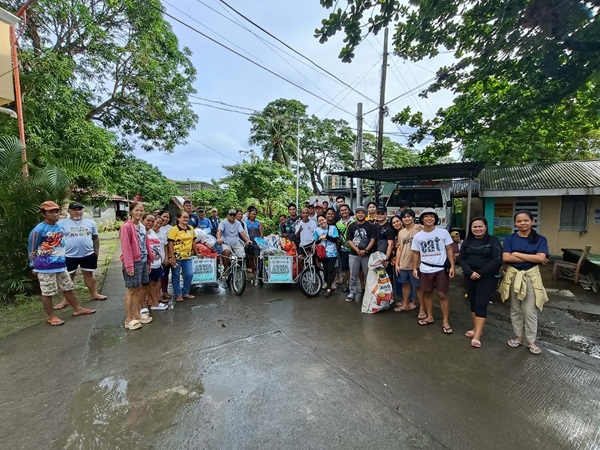
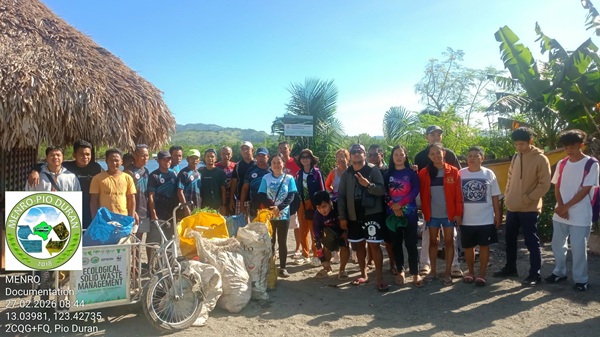
Coastal clean-up drive held on February 13, 2026 at Brgy. Marigondon Mangrove Kayaking Take-off Point, supporting community-led waste management efforts in Pio Duran.
Epson Philippines Corporation has partnered with WWF-Philippines to implement a technology-enabled waste management initiative in Pio Duran, Albay, strengthening local systems in a coastal area vulnerable to plastic pollution.
The Pio Duran Waste Management Enhancement Project integrates practical tools, data-driven practices, and community engagement to address gaps in waste collection and recycling. Located within the Ticao-Burias Pass Protected Seascape, the municipality plays a key role in safeguarding marine biodiversity and supporting fishing and tourism-based livelihoods.
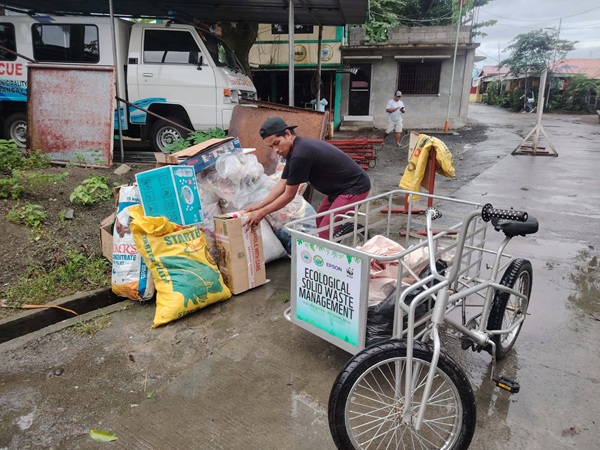
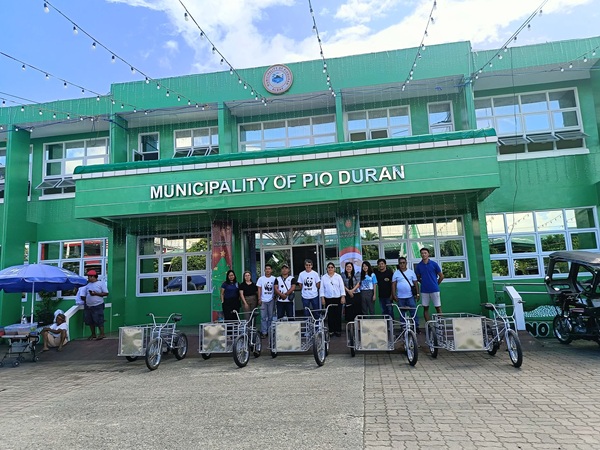
At the core of the initiative is the deployment of localized waste collection technologies, including five padyak collection units that now enable consistent pickup across underserved barangays. The system facilitates the weekly collection of an average 367.5 kilograms of mixed waste and 132.5 kilograms of plastic waste—reducing leakage into coastal ecosystems.
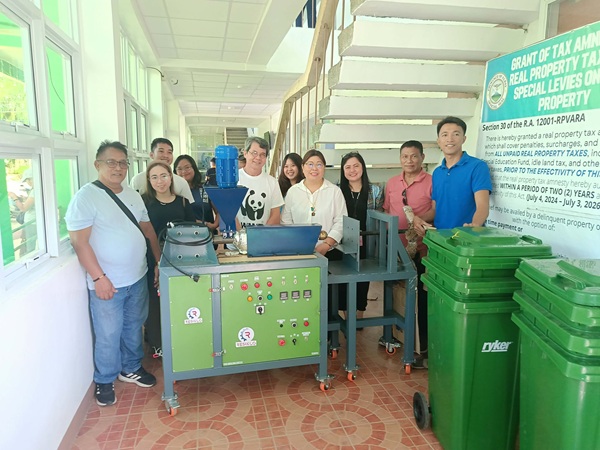
To enhance waste segregation, six strategically placed bins were installed in high-traffic zones such as ports and ecotourism sites, capturing up to 21 kilograms of waste weekly. These interventions are designed to intercept plastic before it reaches waterways and mangrove areas.
On the recycling front, the project introduced a plastic extruder to complement existing shredding equipment, enabling the conversion of collected plastics into reusable materials like eco-bricks. This localized processing capability reduces dependence on external waste facilities and promotes circular economy practices at the community level.
Capacity-building efforts further reinforce the system. A two-day training program equipped 65 participants from 19 barangays with technical knowledge on waste segregation, planning, and implementation—resulting in updated solid waste management plans for the next three years.
Community-driven data collection and participation were also key components. Cleanup drives involving 100 volunteers removed over 205 kilograms of waste from mangrove areas, demonstrating how citizen engagement, combined with structured systems, can improve environmental outcomes.
According to Masako Kusama, the initiative reflects Epson’s “Engineered for Good” approach—leveraging innovation and partnerships to create sustainable, scalable impact beyond traditional technology use.
The project underscores a growing trend in environmental technology: integrating simple, localized tools with community-led processes to build resilient waste management systems. As coastal regions face increasing environmental pressure, such hybrid approaches offer a scalable model for reducing plastic pollution while supporting local economies.