







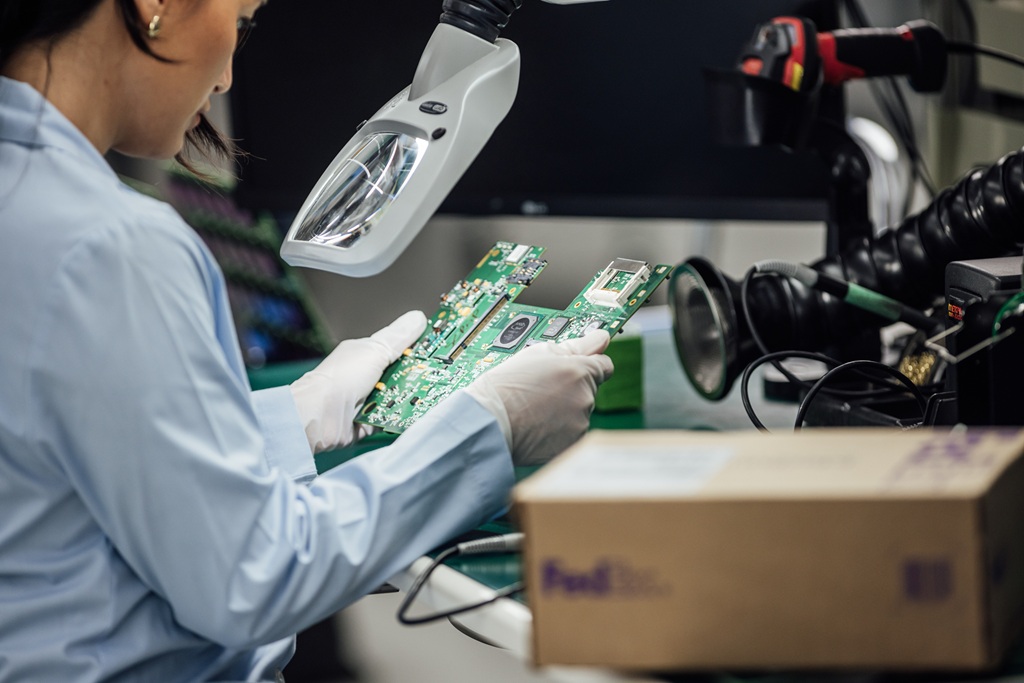
Federal Express Corporation (FedEx), in collaboration with Frost & Sullivan, has released a report highlighting how rising demand for artificial intelligence (AI), high-performance computing, electric vehicles (EVs), and advanced communications is reshaping Asia Pacific’s semiconductor industry and supply chains.
The report, From AI to EVs: How APAC Semiconductors Drive the Global Innovation Map, estimates that Asia Pacific accounts for approximately 58% of global semiconductor industry revenue. It also highlights the growing need for reliable logistics as semiconductors and supporting technologies move across multiple markets.
AI infrastructure is emerging as a major growth driver, with more than 2,000 new data centers expected to be built worldwide between 2026 and 2035. These facilities require not only advanced chips but also high-density servers, networking equipment, cooling systems, and power solutions.
The Philippines is positioned to benefit from this growth through its established semiconductor assembly, packaging, and testing industry, skilled workforce, and manufacturing ecosystem. The country also has opportunities to attract investments in higher-value activities, including semiconductor research, engineering, design, and advanced manufacturing.
A FedEx survey conducted at SEMICON Taiwan 2026 found that 35% of respondents expect their companies to expand manufacturing into additional Asia Pacific markets over the next three years, while 25% plan to increase or diversify their sourcing. Geopolitical disruptions were cited by 30% as the most significant challenge to future growth.
As semiconductor supply chains become more complex, logistics capabilities are also gaining importance. The survey found that 44% of respondents consider faster international shipping the most important capability when selecting logistics and supply chain partners over the next three years.
FedEx supports Philippine businesses through its international network, including its gateway in Clark, which connects companies to regional and global markets. According to the company, dependable logistics and cross-border connectivity will be crucial for the Philippines to strengthen its position in the expanding AI and semiconductor ecosystem.
The report underscores how advances in AI and digital infrastructure are creating opportunities for the Philippine semiconductor industry while increasing the need for resilient, visible, and efficient supply chains.