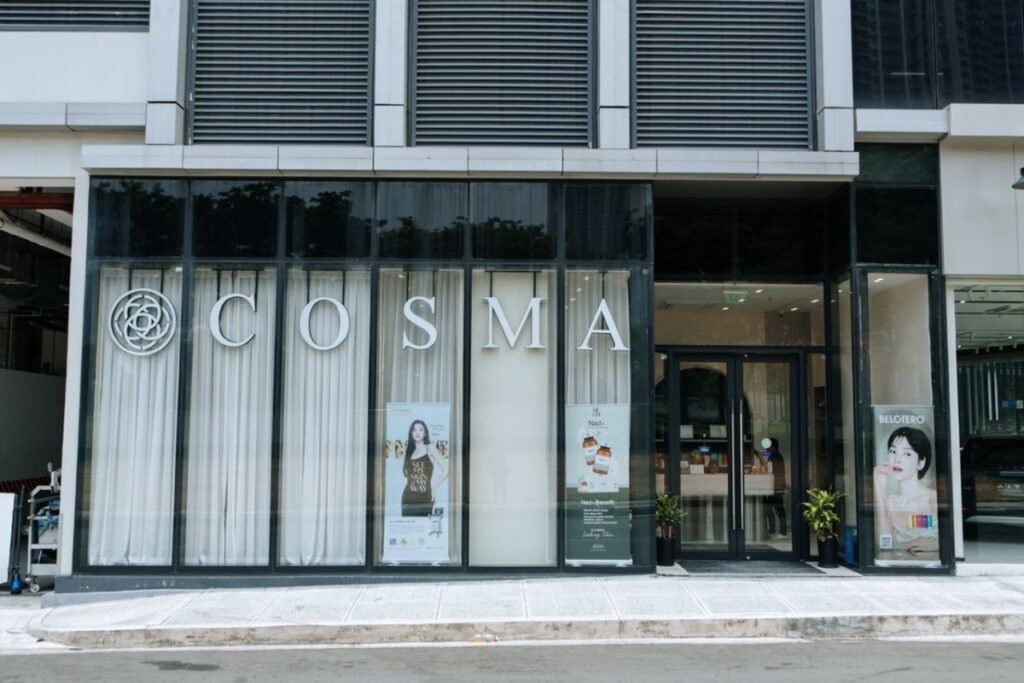







At Cosma Institute, multi-awarded aesthetic physician Dr. James Co, known as the Architect of Aesthetic Confidence, advocates an individualized approach to facial aging that combines anatomical understanding, facial-harmony assessment, and patient education. His approach focuses on understanding how facial structures change over time and using that knowledge to support decisions that preserve each person’s natural appearance and identity.
The science of facial aging is moving beyond wrinkles and individual signs of age toward a whole-face approach that considers changes across the skin, fat, muscles, ligaments, and underlying facial skeleton.
For aesthetic physician Dr. James Co, founder of Cosma Institute, advances in the understanding of facial anatomy are helping physicians make more individualized decisions about aesthetic care.
Research published in Facial Plastic Surgery describes facial aging as a process involving multiple anatomical structures, while a review in Aesthetic Surgery Journal examines how changes beneath the skin contribute to visible changes over time. Research has also identified distinct facial fat compartments that can change in volume and position, affecting facial shape and balance.
These findings reinforce the idea that a visible wrinkle or change in facial appearance may be part of a broader anatomical process.
“The face ages as a system,” Co said, emphasizing the importance of understanding what is happening beneath the surface before considering an intervention.
Facial aging also varies significantly between individuals. Genetics, anatomy, skeletal structure, fat distribution, skin characteristics, sun exposure, lifestyle, and environmental factors can influence how aging develops. As a result, people of the same age may have very different facial-aging patterns and goals.
Technology and social media have also made aesthetic information and procedures more accessible, but Co cautioned that recognizing a concern online does not determine its underlying cause or the appropriate response.
“Patients should not have to diagnose themselves from social media,” he said. “You might recognize a concern, but deciding why it is happening and what should be done about it requires proper assessment.”
The broader concept of healthy aging therefore emphasizes informed decision-making and facial harmony rather than attempting to maintain a single appearance indefinitely. Patient-reported outcomes research has also examined satisfaction, psychological well-being, and social factors associated with minimally invasive facial aesthetic procedures, although researchers note limitations in the available evidence.
For Co, the goal is ultimately to use scientific understanding and individualized assessment to support outcomes that remain consistent with a person’s natural facial characteristics and identity.
“Aging cannot be stopped, and I don’t think that should be the promise,” Co said. “What we can do is understand it better.”