






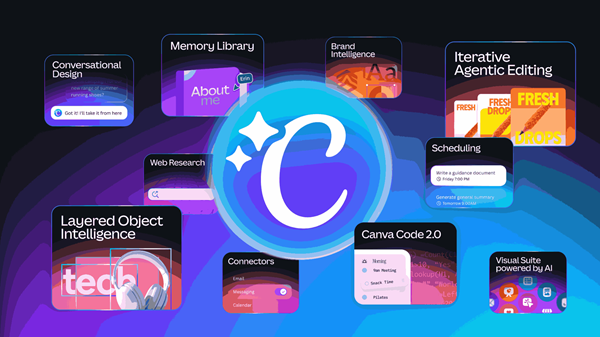
Canva has unveiled Canva AI 2.0, its biggest platform transformation since the company launched in 2013, introducing a new generation of AI-powered creative tools designed to turn Canva into a complete productivity and visual communication workspace.
The update introduces a conversational and agentic AI platform capable of helping users move from idea generation to final output within minutes. Powered by Canva’s frontier AI lab and years of investment in design-focused AI models, Canva AI 2.0 aims to simplify workflows for creators, businesses, educators, and teams.
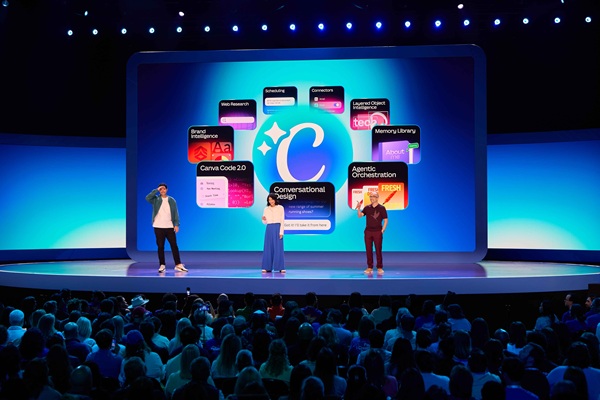
According to Danny Wu, the platform is designed to remove barriers between thinking, creating, and publishing by combining multiple intelligent tools into one workspace.
One of the most anticipated features is Canva Offline, allowing users to continue editing designs without an internet connection. The feature supports essential editing functions, local file uploads, and automatic syncing once connectivity is restored, addressing a long-standing request from Canva’s global user base.
Canva also expanded its education technology offerings with Learn Grid, a new AI-powered learning hub built for the platform’s more than 10 million educators and students worldwide. The feature provides curriculum-aligned teaching materials, AI-generated classroom activities, interactive games, worksheets, and educational content in over 16 languages and more than 30 activity formats.
Canva AI 2.0 is also powered by a new architecture layer that supports interactive digital experiences, structured data sheets, and large-scale content generation. The company said these enhancements position Canva beyond graphic design, evolving it into a broader AI-driven productivity platform for modern work.
The launch reflects the growing industry trend of integrating generative AI directly into workplace collaboration, education, and creative production tools.