







Despite rising travel costs, many Filipinos continue to prioritize overseas trips for vacations, concerts, sports events, and other experiences—prompting a shift toward more mindful and strategic spending while abroad.
A growing number of travelers are now relying on digital tools and financial technology to manage expenses efficiently, maximize value, and stay connected during international trips.


Smarter ways to manage travel budgets
One key strategy is staying alert for deals and promotions on accommodations, tours, and dining. Comparing prices and checking limited-time offers can help travelers stretch their budgets without sacrificing planned experiences.
Travel insurance is also becoming a must-have for many. Through platforms like GCash, users can access GInsure Travel Protect, which offers international coverage starting at ₱299, helping cover unexpected disruptions such as flight delays or lost baggage.
Staying connected abroad with eSIM technology
Connectivity is another priority, especially for navigation and ride-hailing abroad. eSIM solutions available via GCash Travel allow users to activate mobile data plans before departure.
Plans can cost as low as ₱1 and cover more than 160 countries, enabling seamless connectivity upon arrival without the need for physical SIM cards or roaming fees.
Digital payments for safer and easier transactions
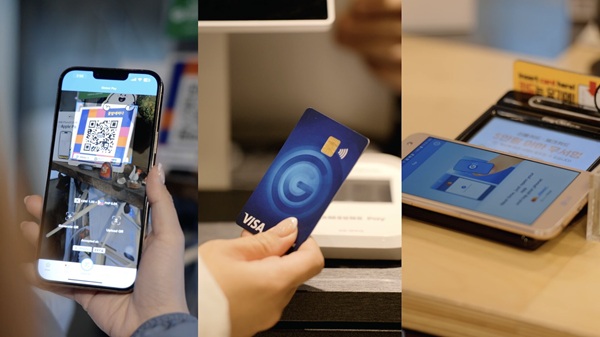
Cashless payment options are also reshaping how Filipinos spend overseas. GCash enables multiple payment methods, including QR-based payments through Alipay+ for participating merchants, Tap to Pay for quick mobile transactions, and the GCash Card for higher-value purchases and ATM withdrawals abroad.
These features allow travelers to track expenses in real time, manage foreign exchange rates, and reduce reliance on cash while traveling.
Tech-driven travel convenience
As international travel continues to recover and evolve, digital platforms like GCash are positioning themselves as all-in-one travel companions—offering tools for insurance, connectivity, and payments in a single ecosystem designed for convenience and control.
The key takeaway: Smart travel today is less about cutting experiences and more about using technology to travel efficiently, securely, and cost-effectively.