






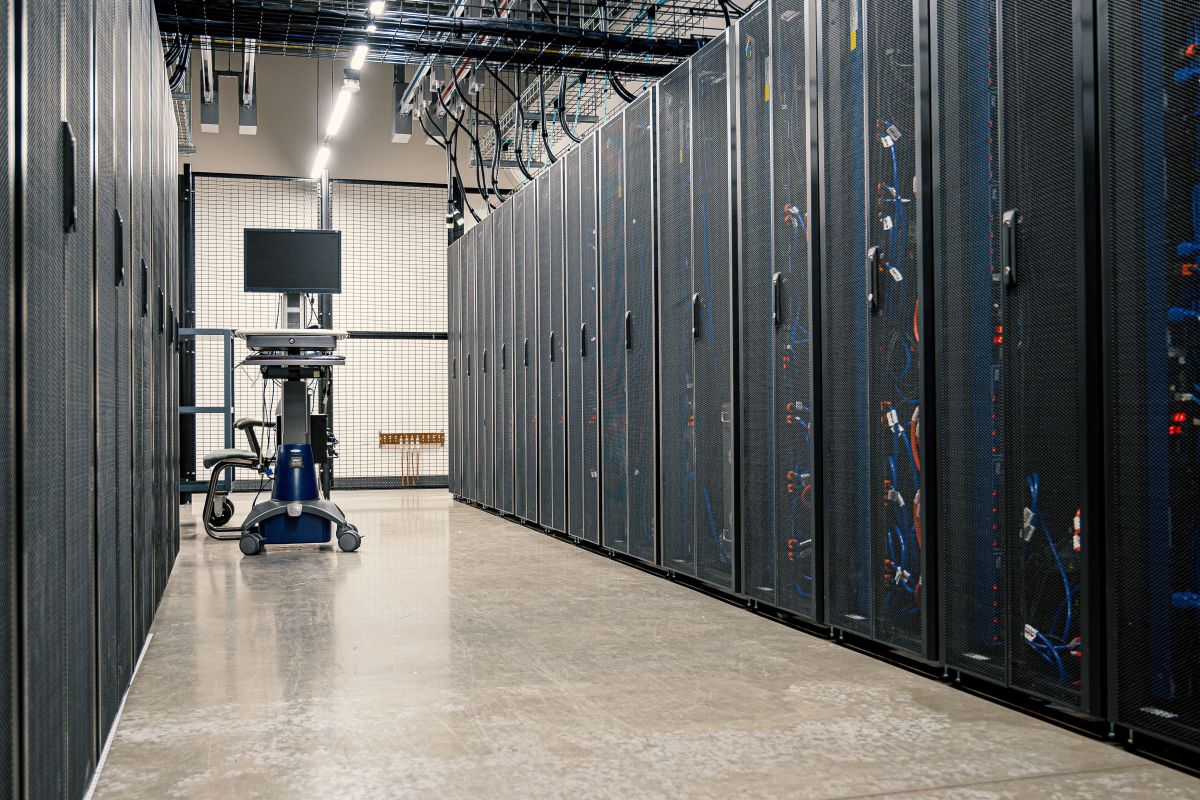
Every e-wallet transfer, online banking session, video stream, and digital government service depends on infrastructure most users never see: data centers that store, process, and move digital information.
As the Philippines accelerates its digital transformation, these facilities are becoming critical infrastructure for keeping financial services, healthcare systems, telecommunications, government platforms, and enterprise applications secure and continuously available.
Local infrastructure, local data
Where data is hosted can be as important as how it is processed. Keeping sensitive government and citizen data within the Philippines can support data sovereignty, security, service continuity, and applicable data residency requirements, including the framework established under Executive Order 119.
Domestic data centers can also help reduce reliance on overseas infrastructure and mitigate potential disruptions caused by undersea cable issues or foreign platform outages. Hosting data closer to users may likewise reduce the physical distance information needs to travel for certain digital services.
Infrastructure evolves with demand
Philippine data centers have expanded from infrastructure primarily supporting telecommunications and internet reliability into facilities serving banks, government agencies, enterprises, cloud platforms, and increasingly demanding AI workloads.
However, not all data centers have the same requirements. Multi-tenant enterprise facilities supporting banks, telecommunications companies, and government systems operate differently from high-density AI facilities, which require substantially different approaches to power, cooling, water use, and physical infrastructure.
Data center operators are also exploring energy-efficient systems, closed-loop cooling technologies, and renewable energy as digital infrastructure expands alongside sustainability goals.
Supporting cloud, AI and digital growth
Domestic colocation infrastructure can provide businesses with a resilient foundation for cloud adoption and digital expansion without relying entirely on infrastructure located overseas.
Growing data center capacity could also attract technology investment and create demand for local expertise in areas such as IT infrastructure, engineering, cloud computing, and cybersecurity.
As more Philippine businesses and government services move online, data centers remain an often-invisible but essential layer of the digital ecosystem. Their capacity, connectivity, security, and efficiency will increasingly influence how reliably Filipinos access the digital services they use every day.