



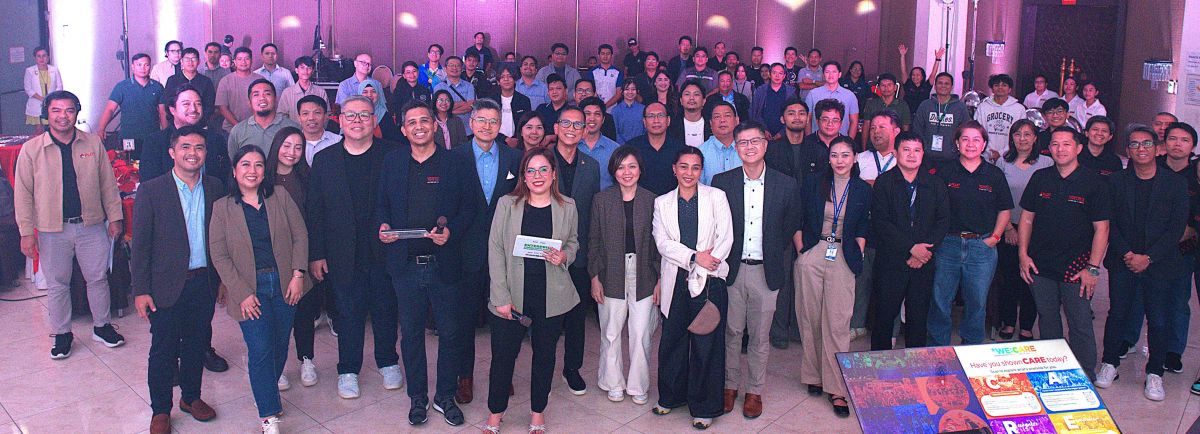


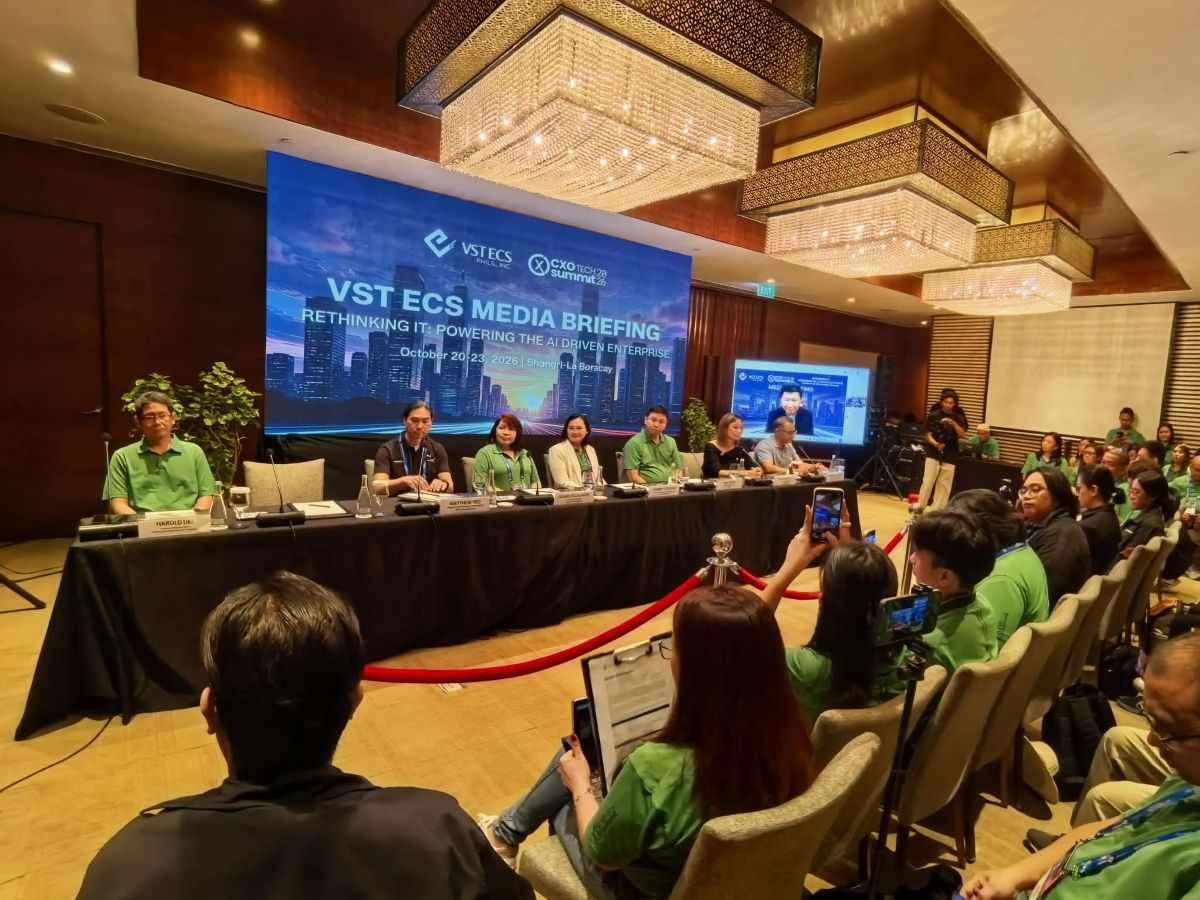
The VST ECS CXO Tech Summit 2026 brought together more than 600 delegates and 52 exhibitors to discuss artificial intelligence (AI) adoption, infrastructure readiness, cybersecurity, and strategies for helping Philippine businesses harness AI.
The event highlighted how organizations of different sizes are developing roadmaps for AI, reflecting growing interest in applying the technology across industries. Speakers emphasized that successful adoption requires more than purchasing hardware or subscribing to AI services. Businesses must first identify their objectives, determine what data they need to process, and build an appropriate implementation strategy.
Matthew Yeo, global engineering technologist at Dell Automation Platform, Dell Technologies, stressed the importance of establishing a framework based on business needs and desired outcomes. Harold Lim, country solutions head at Schneider Electric Philippines, similarly cautioned that organizations should avoid investing in technology they do not actually need.
Jimmy Go, president and CEO of VST ECS Phils., Inc., said the Philippines can expect more data centers to be built as businesses increasingly view AI infrastructure as a source of competitive advantage.
Building a Secure and Scalable AI Foundation
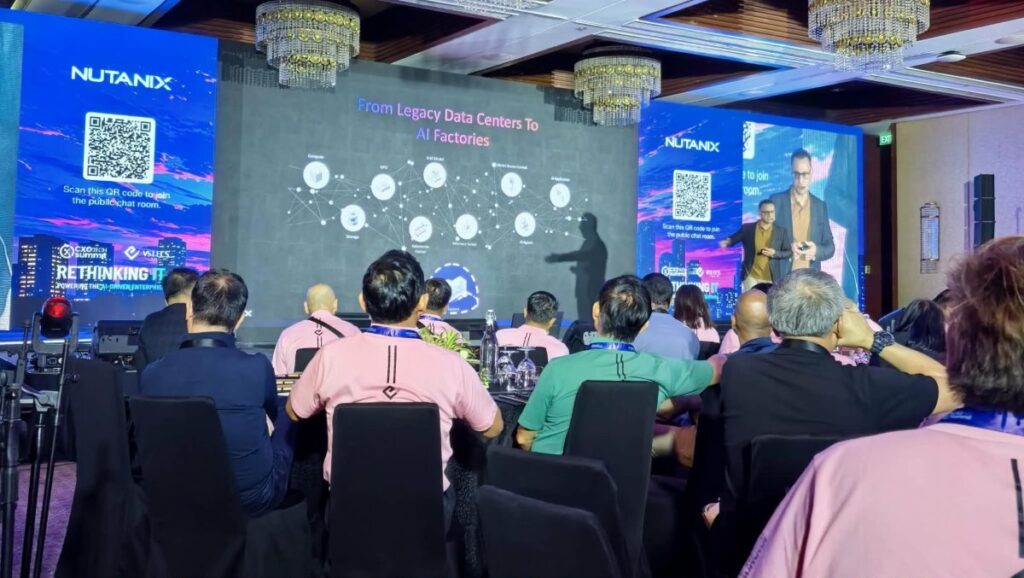
Infrastructure was a major focus of the summit, with Dell Technologies, HPE, and Nutanix discussing how private and hybrid cloud platforms, supported by automation, can help organizations run AI workloads while maintaining control over sensitive data.
These capabilities are particularly important for businesses operating under regulatory requirements, including the Philippines’ Data Privacy Act and applicable Bangko Sentral ng Pilipinas rules.
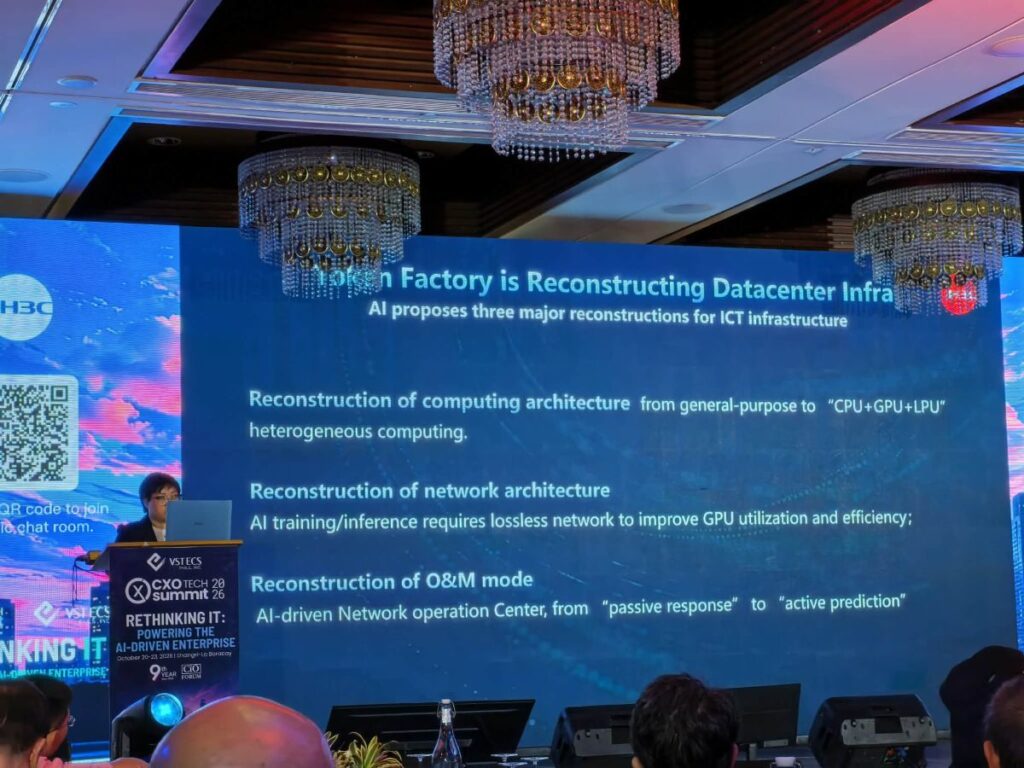
H3C highlighted the role of modern computing, networking, and wireless technologies in supporting data-intensive applications across offices and branches throughout the country.
Cybersecurity was another key concern as AI tools become more accessible to both organizations and threat actors.
“Do not let security be an after thought,” said Bambi Escalante, country manager of Fortinet Philippines. She urged businesses to maintain cybersecurity hygiene and work with trusted partners that follow sound ethical practices.
Fortinet also emphasized the need for integrated, AI-powered security solutions as attackers use increasingly sophisticated tools to accelerate and strengthen their campaigns. Escalante cautioned against shadow AI practices in the workplace, where employees may use AI tools without proper organizational oversight.
Meanwhile, APC by Schneider Electric highlighted the energy demands of AI workloads, noting the importance of reliable power systems, efficient cooling, and energy-conscious data center design, particularly in the Philippines, where electricity costs and power interruptions remain business considerations.
Making AI Accessible to More Businesses
The summit also addressed the risk of a widening digital divide as organizations adopt AI at different speeds.
Speakers stressed that digital transformation should not be limited to large enterprises. Connectivity, cloud platforms, data resources, and computing infrastructure must also become accessible to smaller businesses and communities so they can benefit from improved productivity and new opportunities.
Expanding access to technology, they noted, can help more organizations participate in the digital economy and remain competitive as AI reshapes industries.
AI-Powered Tools for Better Customer Experiences
The discussion also explored how AI-enabled PCs and hybrid-work technologies can help Filipino employees improve productivity, from contact center agents to frontline retail personnel.
HP Philippines highlighted the role of these tools in meeting growing customer expectations for faster and more personalized service. Businesses, however, must balance personalization with safeguards for customer identities and compliance with applicable requirements.
Supporting AI Adoption Across Philippine Industries
The summit reinforced the message that AI adoption involves a combination of infrastructure, cybersecurity, computing devices, reliable power, workforce skills, and technology partners familiar with local business needs.
VST ECS said its portfolio of more than 100 global technology brands and nationwide channel community positions the company to help organizations adopt technology solutions suited to their requirements.
As a Philippine ICT distributor, VST ECS connects global technology brands with local resellers, system integrators, and enterprises. Its portfolio covers infrastructure, cybersecurity, cloud, software, and consumer devices.
Companies contributing expertise, case studies, and industry perspectives included Stellar Cyber, Fortinet, Akamai, iboss, EfficientIP, Versa Networks, Huawei, APC by Schneider Electric, H3C, Arista Networks, Samsung B2B, ASUS, Nutanix, YugabyteDB, Seagate, NetApp, Rubrik, Cloudera, HPE, Cisco, Oracle, Dell Technologies, HP, and Hexnode.
Plenary speakers also represented AMD, VMware by Broadcom, Adobe, Autodesk, AWS, Archer, Fastly, TrendAI, Lenovo, and Synology, among other technology companies.
—> Edison Dy Ong