






Filipino 5G users are showing strong demand for guaranteed network performance, particularly as mobile artificial intelligence (AI) and other data-intensive applications become more common, according to a global study by Ericsson ConsumerLab.
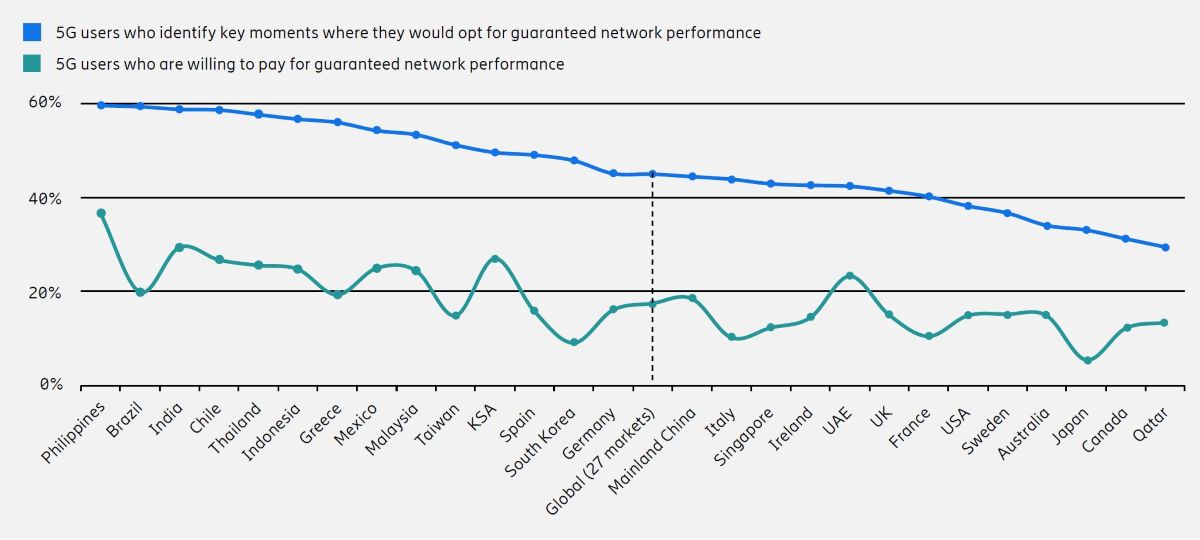
The report, Winning in the Market with Differentiated Connectivity Offerings, found that 60% of Filipino 5G users identify situations where guaranteed connectivity is critical, compared with a 40% global average. It also found that 36% of Filipino consumers are willing to pay a premium for guaranteed Quality of Service (QoS).
The study surveyed 43,000 smartphone users across 27 markets, including 1,500 respondents in the Philippines. Ericsson said the findings point to a shift from traditional best-effort mobile broadband toward connectivity services that can provide more predictable performance.
The demand is expected to grow alongside mobile AI adoption. Daily multimodal AI usage is projected to increase from 16% today to 32% by 2030, while 44% of AI activity is expected to take place on the go. Among current smartphone AI users, AI response time has twice the impact on overall network satisfaction compared with other 5G subscribers.
Video-based AI interactions are also projected to rise from 22% to 51%, increasing the need for responsive mobile networks capable of handling real-time visual and video workloads.
Ericsson highlighted network APIs, including Quality on Demand, as a technology that can help telecom operators provide application-specific connectivity. Programmable networks could enable developers and digital service providers to request differentiated performance for applications, opening the door to performance-based service tiers and new connectivity business models.
For Philippine telecom operators, the findings suggest that reliable, performance-assured 5G could become increasingly important as consumers use AI and other advanced digital services while on the move.