


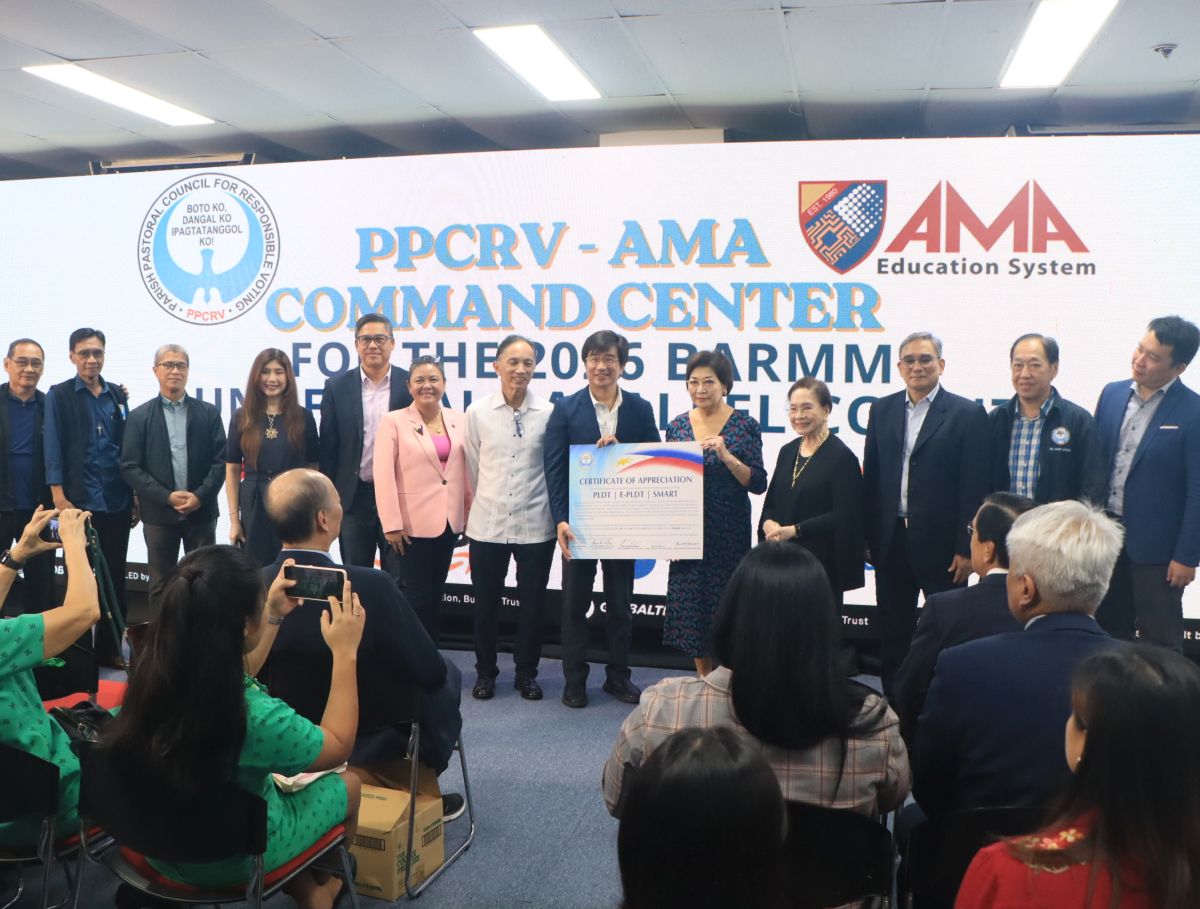





Photo credit: RTVM, 2026 State of the Nation Address (SONA), July 27, 2026.
The Philippine government is set to conduct its first sounding rocket test launch in Cagayan in 2027, marking a major step toward establishing the country’s own spaceport and expanding its role in the global space economy.
During his State of the Nation Address (SONA), President Ferdinand R. Marcos Jr. announced that the launch will demonstrate the Philippines’ emerging rocket capabilities and help develop local expertise in aerospace technologies.
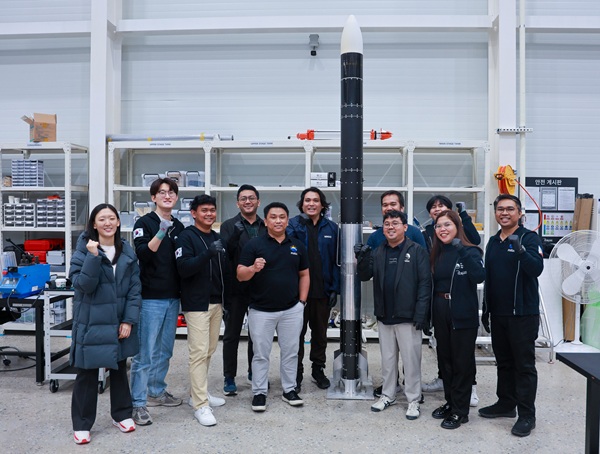
The test mission will involve a liquid-fueled sounding rocket carrying a locally developed payload of up to 2 kilograms to an altitude of at least 5 kilometers. The project is being implemented by the Philippine Space Agency (PhilSA), the Department of Information and Communications Technology (DICT), and the Cagayan Economic Zone Authority (CEZA), in partnership with Ascend International Gateway, Inc. and South Korea’s Perigee Aerospace.
PhilSA Director General Dr. Gay Jane Perez said the initiative is a critical step toward establishing a Philippine spaceport, leveraging the country’s strategic location near the equator and facing the Pacific Ocean. These geographic advantages can support safer launch and recovery operations while reducing costs for commercial space missions.
The initiative comes as global demand for launch services continues to grow. According to industry data cited by PhilSA, the first half of 2026 recorded 153 orbital launches worldwide, with annual launch activity expected to surpass previous records. The increasing pace of commercial launches has created strong demand for new spaceports globally.
DICT Secretary Henry Aguda emphasized that sovereign launch capability would strengthen the country’s digital infrastructure by enabling the independent deployment of communications, Earth observation, and navigation satellites. Such capabilities are expected to support a more secure and resilient digital ecosystem.
As part of the program, Filipino engineers will receive advanced training through Perigee Aerospace’s Know-How Transfer and Training Program, helping build local expertise in rocket engineering and aerospace innovation. PhilSA also plans to support university-led rocketry initiatives to expand the country’s future space workforce.
Government and industry stakeholders view the project as a long-term investment in aerospace, research, innovation, and high-value technology industries, positioning the Philippines as a future participant in the rapidly expanding global space sector.