







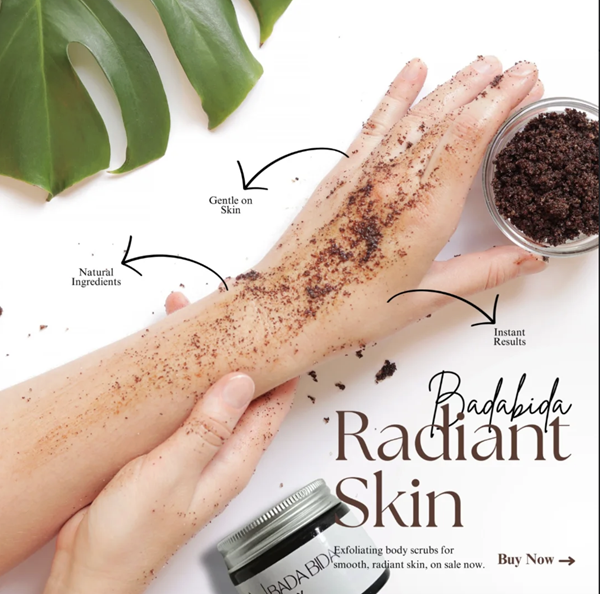
The organic skincare industry in Southeast Asia is rapidly evolving as women-led enterprises in the Philippines and Indonesia combine traditional wellness practices with sustainable innovation to meet growing consumer demand for ethical beauty products.
With the Philippine organic skincare market projected to reach USD 1.5 billion by 2026, consumers are increasingly shifting away from mass-produced beauty trends in favor of natural, cruelty-free, and culturally rooted skincare solutions. Across the region, local SMEs and social enterprises are using indigenous ingredients such as coconut, pili, black sticky rice, turmeric, and herbal plants to create eco-friendly skincare products while supporting rural livelihoods and biodiversity conservation.
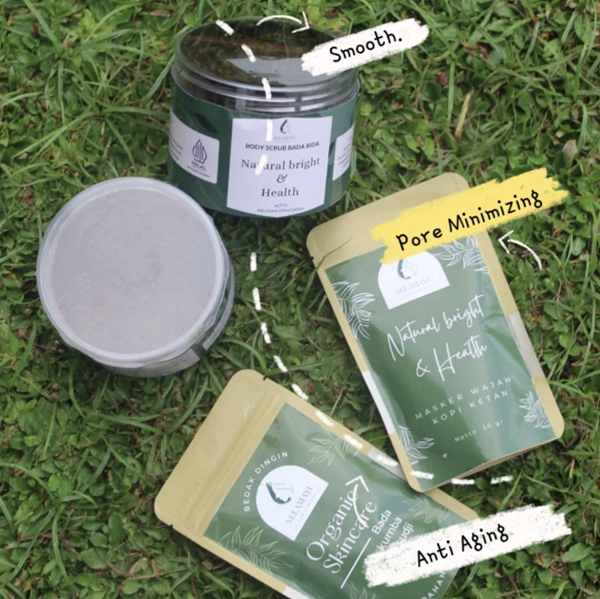
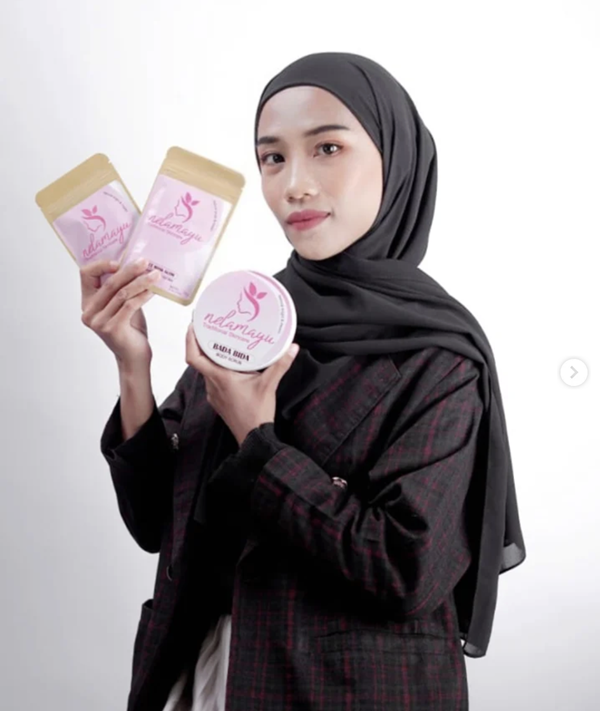
One standout example is Nelamayu Tradisional, founded by Nelam Ayu Kusuma in Central Sulawesi, Indonesia. Inspired by traditional Kaili bridal rituals, the company modernized ancestral skincare remedies into natural wellness products using locally sourced ingredients from regional farmers.
Supported by the Gampiri Interaksi incubation program, Nelamayu Tradisional expanded its operations through mentorship in licensing, branding, and product development while preserving cultural authenticity and sustainability. The initiative also helped improve the company’s income and strengthen local agricultural supply chains through a circular economy model that minimizes production waste.
Industry experts note that nearly 50% of Southeast Asian consumers are now prioritizing sustainable and locally sourced skincare alternatives due to rising awareness of ingredient safety, environmental impact, and cultural identity.
As beauty technology and wellness innovation continue to evolve, Southeast Asia is positioning itself as a global hub for plant-based skincare solutions that merge science, heritage, and environmental responsibility.