







Proper meal timing—not just fitness levels—can significantly influence athletic performance, according to sports nutrition expert Dr. Krissy Ladner, Director of Sports Performance and Nutrition Education at Herbalife.
Ladner emphasizes that the three-and-a-half hours leading up to a game are critical for optimizing energy, focus, and endurance. She recommends athletes consume a balanced pre-match meal designed to maximize glycogen stores, the body’s primary fuel source for high-intensity activities such as sprinting, jumping, and rapid directional changes.
Dubbed the “Hard Performance Plate,” the meal should consist of 50% carbohydrates, 25% fruits and vegetables, and 25% lean protein, accompanied by adequate hydration. Foods high in fat, fiber, or strong spices should be avoided close to competition due to their potential to slow digestion and cause gastrointestinal discomfort.
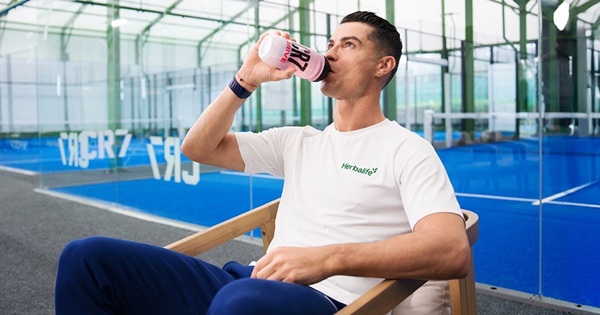
One hour before competition, athletes are advised to consume a smaller carbohydrate-rich snack providing 30 to 60 grams of easily digestible carbohydrates, along with fluids and electrolytes. Examples include a banana, sports drink, carbohydrate gel, or granola bar.
Ladner also challenges the common belief that athletes need to “carb-load” before every match. According to her, extensive carbohydrate loading is generally unnecessary for standard 90-minute sporting events and is more appropriate for endurance competitions lasting several hours.
The nutrition specialist noted that these fueling strategies apply not only to professional athletes but also to recreational players. While portion sizes may differ, the principles of balanced nutrition, hydration, and meal timing remain consistent across all levels of competition.
As sports participation continues to grow, Ladner said athletes can improve performance by developing personalized nutrition plans during training and avoiding unfamiliar foods on game day, ensuring their bodies are prepared to perform at their best when competition begins.